Biblioteka Opowiada

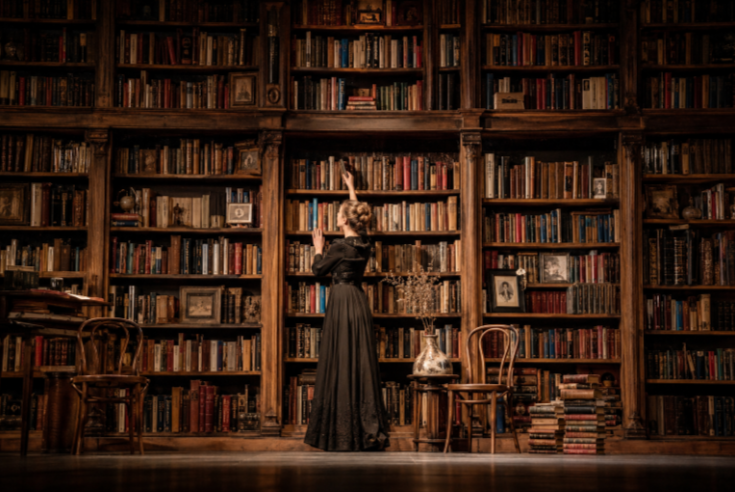
ENG Version: The Library Tells a Story...
I used to often "tell fortunes" from poetry.
Not to find out the future.
But to better understand the present.
I would take a random volume.
Open it to any page.
Point my finger at a single line.
I never thought of it as a game.
But rather as a conversation with..... the Library?
Every book carries the traces of its readers.
Every poem waits patiently for the moment it becomes important to someone else.
Years later, I realized that I am no longer interested in the answer hidden within those lines.
I am more interested in the person they suddenly evoke...
The story of the person summoned..
That is why this project was born.
I will open books at random.
I will read a few lines.
And then I will close the volume.
Because the continuation no longer belongs to the poet.
It belongs to the person summoned...
Maybe a retired railway worker...
Maybe a woman caring for her sick husband....
Maybe an emigrant...
Maybe someone I have never met.
Each of them will write their own continuation to a poem from many years ago.
Perhaps this is exactly what the immortality of poetry is about.
Not that the poems don't change.
But that each time, someone else reads them.
Day One
Today, the library chose for me.
I pulled out a random volume.
It opened to Arthur Rimbaud's poem "Comédie de la soif."
I read a few lines.
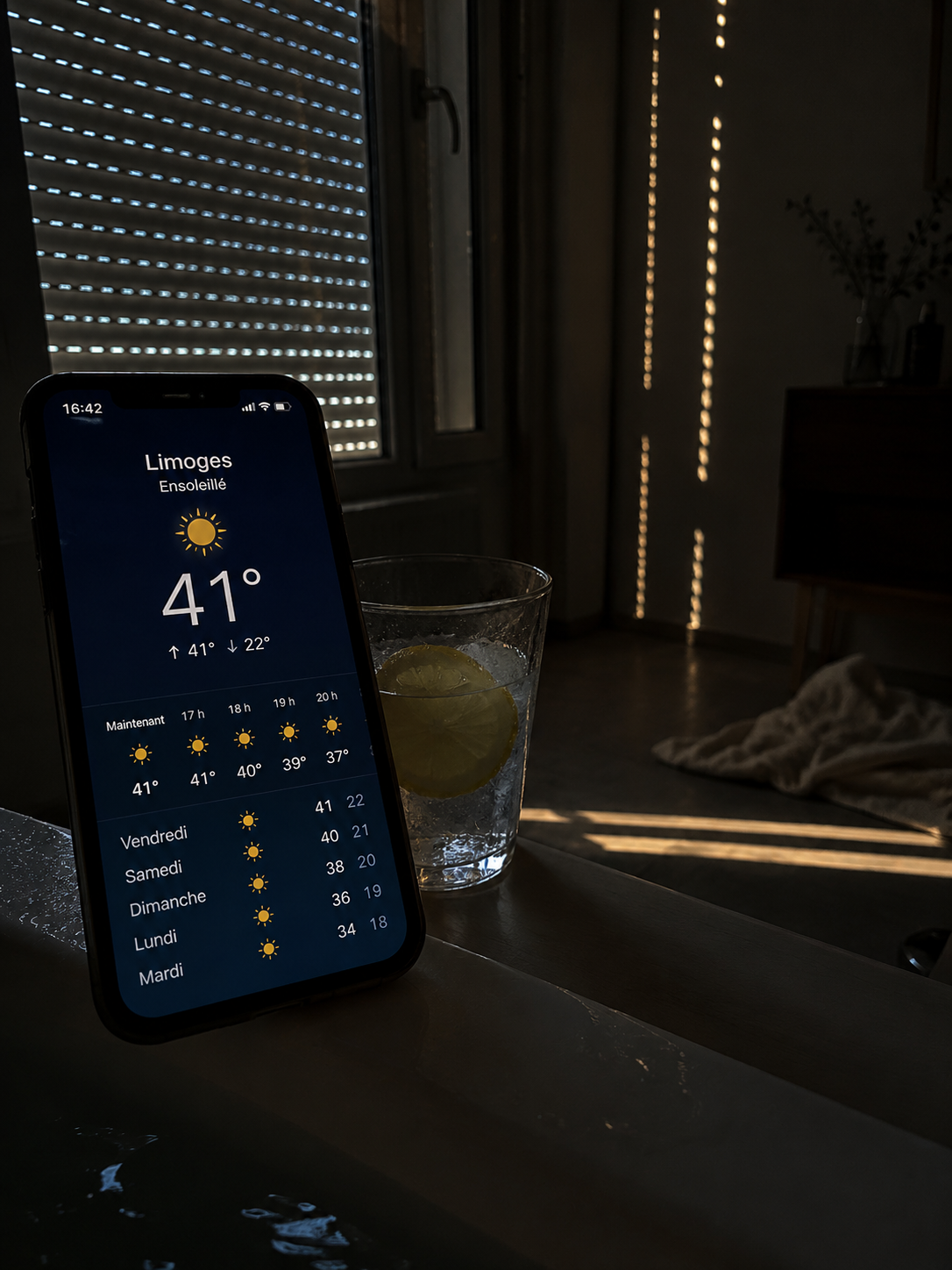
They speak of thirst.
Of water.
Of how a person spends their entire life searching for something.
I closed the book.
And I remembered an older man.
Thirst
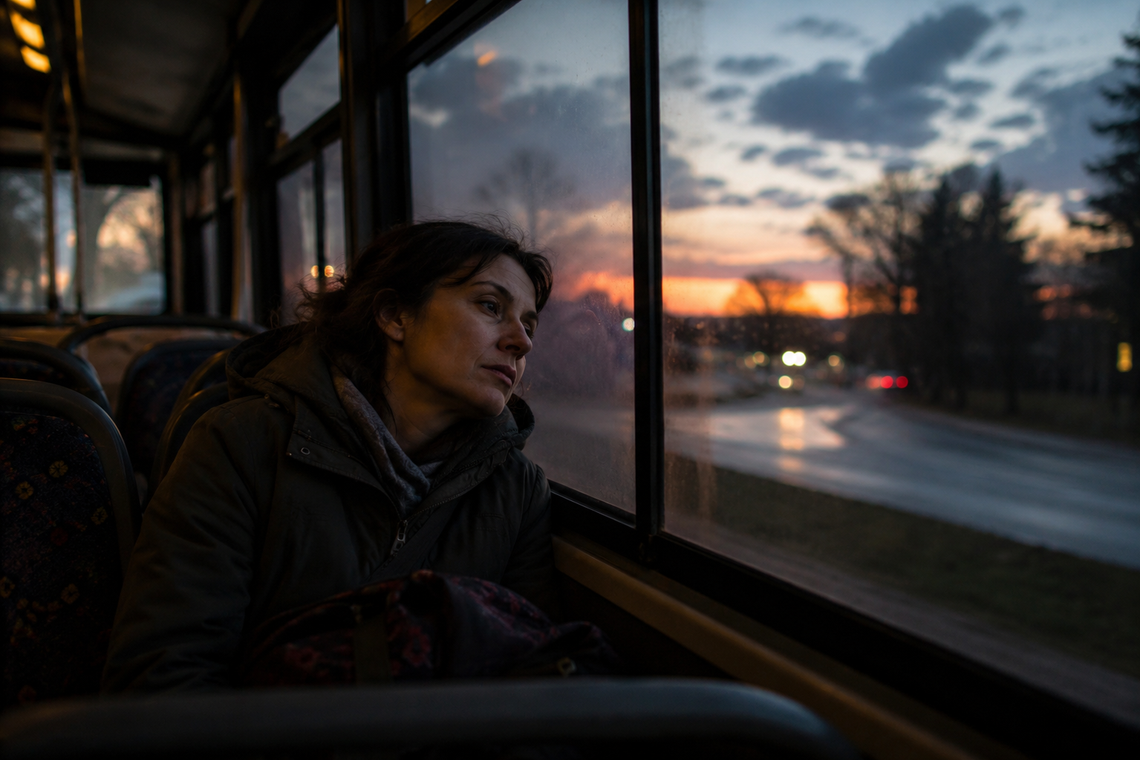
For three months now, he has been leaving the house at the same time every day.
Not because he has to.
He has nowhere left to go.
For forty-two years, he ran a small grocery store.
People came for bread.
For milk.
For cigarettes.
But they also left pieces of their lives behind.
"How is your daughter?"
"Has your husband come home from the hospital?"
"Did your son pass his final exams?"
He didn't just sell bread.
He sold a few minutes of conversation.
Then the shop was closed down.
A supermarket was built next door.
Now, everything can be bought faster.
No one asks how you are doing anymore.
Every day he goes to that supermarket.
He doesn't need groceries.
He buys one bottle of water.
Always the same one.
The cashier scans the barcode.
He pays.
He says thank you.
She replies:
"Have a nice day."
And that is the whole conversation.
He used to think that what a person desires most is money.
Later, it seemed to him that it was health.
Today he knows that what he misses most is something completely different.
That short question he used to hear dozens of times a day.
"How are you?"
Not the answer.
The question.
Because sometimes, a person desires to be asked more than they desire to be heard.
He leaves the store.
Opens the bottle.
Takes a sip of water.
And suddenly thinks that there are some thirsts that no water can quench.
I closed the book.
Rimbaud remained on his page.
And that man walked on.
Tomorrow, the library will open the next book.
Kiedyś często "wróżyłam" z poezji.
Nie po to, żeby dowiedzieć się przyszłości.
Po to, żeby lepiej zrozumieć teraźniejszość.
Brałam przypadkowy tom.
Otwierałam go na dowolnej stronie.
Palcem wskazywałam jeden wers.
Nigdy nie myślałam o tym jak o zabawie.
Raczej jak o rozmowie z..... Biblioteką?
Każda książka nosi ślady swoich czytelników.
Każdy wiersz czeka cierpliwie na moment, w którym stanie się ważny dla kogoś innego.
Po latach zrozumiałam, że nie interesuje mnie już sama odpowiedź ukryta w tych wersach.
Bardziej interesuje mnie człowiek, którego one nagle przywołują...
Historia wywołanego człowieka..
Dlatego powstał ten projekt.
Będę przypadkowo otwierać książki.
Będę czytać kilka wersów.
A potem zamykać tom.
Bo dalszy ciąg nie należy już do poety.
Należy do człowieka wywołanego...
Może emerytowanego kolejarza...
Może kobiety opiekującej się chorym mężem....
Może emigranta...
Może kogoś, kogo nigdy nie spotkałam.
Każdy z nich dopisze własny ciąg dalszy do wiersza sprzed wielu lat.
Być może właśnie na tym polega nieśmiertelność poezji.
Nie na tym, że wiersze się nie zmieniają.
Na tym, że za każdym razem czyta je ktoś inny.
Dzień pierwszy
Dzisiaj biblioteka wybrała za mnie.
Wyciągnęłam przypadkowy tom.
Otworzył się na wierszu Arthura Rimbauda „Comédie de la soif”.
Przeczytałam kilka wersów.
Mówią o pragnieniu.
O wodzie.
O tym, że człowiek przez całe życie czegoś szuka.
Zamknęłam książkę.
I przypomniał mi się pewien starszy mężczyzna.
Pragnienie
Od trzech miesięcy codziennie wychodzi z domu o tej samej porze.
Nie dlatego, że musi.
Nie ma już dokąd chodzić.
Przez czterdzieści dwa lata prowadził mały sklep spożywczy.
Ludzie przychodzili po chleb.
Po mleko.
Po papierosy.
Ale zostawiali też kawałki swojego życia.
— Jak tam córka?
— Mąż wrócił ze szpitala?
— Syn zdał maturę?
Nie sprzedawał tylko chleba.
Sprzedawał kilka minut rozmowy.
Potem sklep zamknięto.
Obok wybudowano supermarket.
Teraz wszystko można kupić szybciej.
Nikt już nie pyta, jak się czujesz.
Codziennie idzie do tego supermarketu.
Nie potrzebuje zakupów.
Kupuje jedną butelkę wody.
Zawsze tę samą.
Kasjerka skanuje kod.
On płaci.
Dziękuje.
Ona odpowiada:
„Miłego dnia.”
I to jest cała rozmowa.
Kiedyś myślał, że człowiek najbardziej pragnie pieniędzy.
Później wydawało mu się, że zdrowia.
Dzisiaj wie, że najbardziej brakuje mu czegoś zupełnie innego.
Tego krótkiego pytania, które kiedyś słyszał kilkadziesiąt razy dziennie.
„Co u pana?”
Nie odpowiedzi.
Pytania.
Bo człowiek czasem bardziej pragnie być zapytany, niż wysłuchany.
Wychodzi ze sklepu.
Otwiera butelkę.
Pije łyk wody.
I nagle myśli, że są takie pragnienia, których żadna woda nie ugasi.
Zamknęłam książkę.
Rimbaud został na swojej stronie.
A ten człowiek poszedł dalej.
Jutro biblioteka otworzy następną książkę.
Written by
Subscribe for FREE to our Audience
Enter your email to access commenting, receive memos, logs, dispatches, and unfiltered fragments directly from the Theater.







Member discussion