Kris's Academic Field

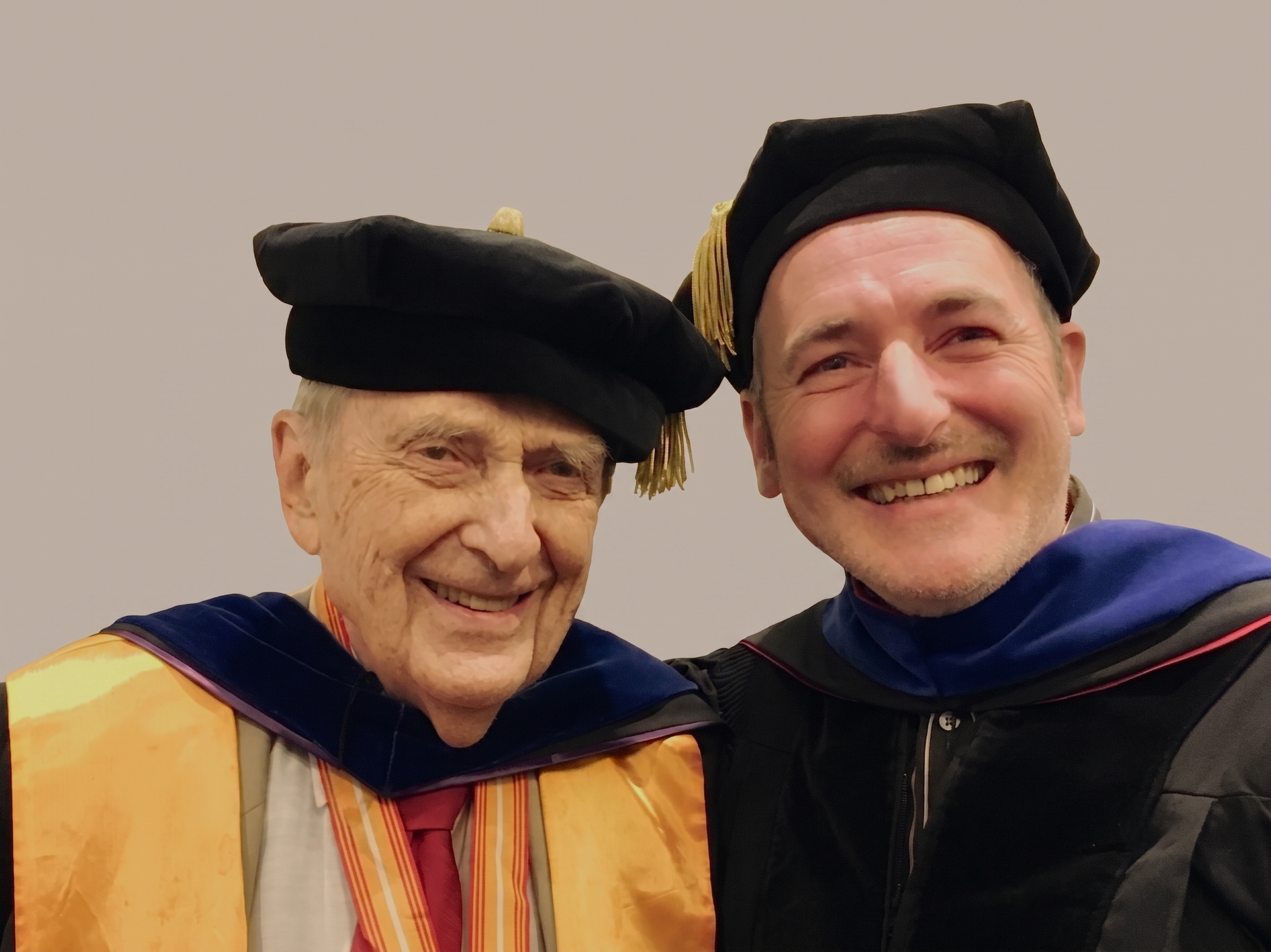
Along the University Discourse:
My Teaching and Lecturing Experience
Graduate and Doctoral Courses I Taught:
- Systems of Psychotherapy
- Theories of Counseling
- Introduction to Psychotherapy Techniques
- Intermediate Psychotherapy Techniques
- Psychodynamic Theory
- Human Communication: Interviewing Skills
-----------------------------------
- Introduction to Family Therapy
- Couples Therapy
- Child Therapy / Child Abuse Assessment & Treatment
- Brief Psychotherapy
- Group Therapy
- Substance Abuse Assessment, Treatment, and Prevention
- Clinical Formulation, Collaborative Treatment, and Evidence-Based Practice
- Case Formulation and Diagnosis
- Clinical Psychology Practicum
- Clinical Psychology Internship
------------------------------------
- Psychopathology
- Professional Ethics, Law, and Psychology
- Assessing Persons: Methods & Psychometrics
- Psychological Tests & Measurements
- Human Sexuality
- HIV & Psychotherapy
- History & Systems of Psychology
- Theories of Human Development and Functioning
- Cognition & Affect in Human Behavior
- Social Psychology
- Critical Psychology
- Psychology of Aging
- Foundations of Health Psychology
------------------------------------
- Research Methods,
- Advanced Research Methods,
- Foundations of Inferential Statistics,
- Foundations for Doctoral Studies in Psychology,
- Scholarly Writing & Professional Communication in Psychology.
Undergraduate Courses I taught:
- Psych 101: General Psychology
- Lifespan Development
- Abnormal Psychology
- Current Issues in Psychology
- Social Construction of Identity
- Consciousness & Imagination
My Research / Dissertation Mentoring Experience
- Served as Committee Chairperson
Abrams, B. N. (2013). Exploring therapists’ conceptions of Equine Facilitated/Assisted Psychotherapy for combat veterans experiencing posttraumatic stress disorder. ProQuest Dissertations Publishing.
Buch, L. A. (2019). The effect of gender-neutral pronouns on non-binary gender identity experience. ProQuest Dissertations Publishing.
Darling, J. A. (2014). Measuring indices of happiness in adults with profound multiple disabilities. ProQuest Dissertations Publishing.
Douglas, S. C. (2014). The limino-hermeneutic essence of hypnosis: An interpretative phenomenological analysis. ProQuest Dissertations Publishing.
Eubank, J. D. (2021). The efficacy of behavior-based safety to reduce injuries in the upstream oil and gas industry. ProQuest Dissertations Publishing.
Goliday, L. (2020). The role of self-esteem, self-efficacy, and college affordability in college enrollment decisions among urban high school graduates. ProQuest Dissertations Publishing.
High, M. (2020). Workplace bullying based on colorism: A phenomenological study of the lived experiences of African American employees in healthcare settings. ProQuest Dissertations Publishing.
Kercher, T. E. (2020). Foster parents’ perspective on placement disruptions: A phenomenological study. ProQuest Dissertations Publishing.
Koser, N. (2013). An aporia of the psychoanalytic discourse from a Lacanian perspective with special reference to the theory of intersubjectivity. ProQuest Dissertations Publishing.
Matthews, K. A. (2014). Hispanic teen mothers exposed to childhood trauma: Reflections on mirroring to assist therapists in providing effective therapeutic treatments to help prevent trans-generational trauma. ProQuest Dissertations Publishing.
McGarrity, M. (2019). An examination of the authentic self in African-American women. ProQuest Dissertations Publishing.
McWilson, J. (2020). The importance of hip-hop culture in identity development among African American young adults: A phenomenological study. ProQuest Dissertations Publishing.
Semich, A. M. (2012). Effects of two different Hatha Yoga interventions on perceived stress and five facets of mindfulness. ProQuest Dissertations Publishing.
Shella, T. A. (2018). FEATS score differences as a function of MS disease type and overall concurrent validity of FEATS with the BDI-FS. ProQuest Dissertations Publishing.
Springer, G. J. (2010). Job motivation, satisfaction, and performance among bank employees: A correlational study. ProQuest Dissertations Publishing.
Strode, K. B. (2021). When academic accommodations are not enough: A phenomenological study of the self-concept of academically struggling neuro-diverse college students. ProQuest Dissertations Publishing.
Sundby, J. (2018). Forensic clinicians’ perceptions of psychopathy. ProQuest Dissertations Publishing.
Weston, P. M. (2019). Psychometric properties of a new scale to measure partner addiction. ProQuest Dissertations Publishing.
Williams, C. M. (2021). Misdiagnosing obstructive sleep apnea in children: The psychological impacts on parents and families. ProQuest Dissertations Publishing.
- Served as Committee Member (subject matter expert):
Borghese, P. (2009). An analysis of predictive, convergent, and discriminant validity of the Universal Nonverbal Intelligence Test with limited English proficient Mexican-American elementary students. ProQuest Dissertations Publishing.
Branson, D. C. (2011). The relationship between vicarious trauma and sexual desire among behavioral health clinicians. ProQuest Dissertations Publishing.
Ciraky, J. (2013). The effect of psychotherapist motivation on client attendance. ProQuest Dissertations Publishing.
Corella, M. A. (2022). Cultural barriers to mental health services for second-generation Latinx Americans: A qualitative, descriptive phenomenological study. ProQuest Dissertations Publishing.
Dawson, B. (2020). A correlational study on parental rigidity and physical child abuse. ProQuest Dissertations Publishing.
Duley, L. A. (2012). A qualitative phenomenological study of the lived experiences of women remaining in abusive relationships. ProQuest Dissertations Publishing.
Godsey, M. D. (2019). Cultural strength in promoting wellness within the Reservation Community of the Upper Skagit Native American Tribe. ProQuest Dissertations Publishing.
Green, J. M. (2012). The relationship between adjustment and personal and work variables among American government employees and their spouses stationed abroad. ProQuest Dissertations Publishing.
Ireland, O. M. (2014). Accessing heritage culture resources when facing chronic illness among low acculturated Hispanics. ProQuest Dissertations Publishing.
Iverson, J. L. (2011). The mediating effect of parental differential treatment on the relationship between sibling chronic illness and socio-emotional well-being. ProQuest Dissertations Publishing.
Jackson, S. (2019). An exploration of protein and carbohydrate consumption and symptoms of attention deficit hyperactivity disorder. ProQuest Dissertations Publishing.
Klar, K. (2020). An evocative autoethnographic study of the effects of the avoidant attachment quality on marriage. ProQuest Dissertations Publishing.
Kliegl, J. (2021). Best practices of long-term Twelve Step recovery. ProQuest Dissertations Publishing.
Lofaso, C. R. (2011). Autonomy, environmental mastery, and resiliency in the experience of self-perceived burden in cancer patients. ProQuest Dissertations Publishing.
McGahan, J. A. (2019). Polyamorous personal growth. ProQuest Dissertations Publishing.
Mineo, R. L. (2016). Talking hands, moving bodies. ProQuest Dissertations Publishing.
Morrow, H. E. (2011). The effects of mortality salience and conceptual focus in CISM providers: Implications for mental health response to mass fatality disasters. ProQuest Dissertations Publishing.
O’Flynn, C. D. (2011). The effect of traumatic and non-traumatic grief on children’s human figure drawings. ProQuest Dissertations Publishing.
Roman, D. E. (2011). Examining offender recidivism and severity of offenses in a Mental Health Court. ProQuest Dissertations Publishing.
Sheris, J. (2011). The lived experiences of nonresidential fathers in the coparenting relationship. ProQuest Dissertations Publishing.
Soholm, H. C. (2019). Contemporary and neoshamanic practitioners in the West: A hermeneutic narrative inquiry. ProQuest Dissertations Publishing.
Weiby, K. (2011). Parkinson’s disease: Exploring the relationship between age of onset and depression. ProQuest Dissertations Publishing.
Zaleski, K. (2010). Examining the effectiveness of meditation on wellbeing in subjects without any self- reported psychopathology. ProQuest Dissertations Publishing.
- Served as Contributing Faculty:
Hall, P. (2014). An exploratory multiple-case study of HIV gift giver beliefs. ProQuest Dissertations Publishing.
Thomas, O. R. (2018). How do female-to-male-transgender individuals perceive their self-esteem and social acceptance after sexual reassignment into their chosen sex and gender? ProQuest Dissertations Publishing.
Romero, M. A. (2022). The relationship between spirituality and psychological capital. ProQuest Dissertations Publishing.
Key, A. (2022). Relationship of social media usage with body image, self-esteem, and social comparison among women over 30. ProQuest Dissertations Publishing.
My Presentations and Publications
Lichtanski, K. (2023, September). Addressing suicidal ideation: Best practices and ethical considerations. Panel presentation at HRPP Clubhouse, SUNY Downstate Health Sciences University.
Rubin, S., & Lichtanski, K. (2015). Existential therapy. In E.S. Neukrug (Ed.), The Sage encyclopedia of theory in counseling and psychotherapy (pp. 368 -374). doi:10.4135/9781483346502.n128
Lichtanski, K. (2014, March). On sexual orientation. In S. Rubin (Chair), Sex in humanistic psychology and psychotherapy. Panel presentation at APA Division 32: Society for Humanistic Psychology Annual Conference, Palo Alto, CA.
Lichtanski, K. (2012, January). Working with multilingual students: Current research and clinical considerations. Lecture presented at a didactic session for the clinical staff and interns of the Counseling and Psychological Services, University of San Francisco.
Lichtanski, K. (2011, June). Poetics of exile. In Bauknight, R (Chair), Psychoanalysis and poetics. Panel presentation at Lutecium Psychoanalytic Group Conference, San Francisco, CA.
Lichtanski, K. (2011, February). Lacanian clinic: Sublimation vs. Sinthome. In Marriott, D. (Chair), Kant, Lacan, and the ethics of psychoanalysis. Panel presentation in History of Consciousness Studies graduate program, University of California, Santa Cruz.
Lichtanski, K. (2010, December). Lacan's real, imaginary, and symbolic registers. In Bauknight, R. (Chair), Introduction to Lacanian psychoanalysis. Panel presentation at Ground Rounds, California Institute of Integral Studies, Graduate School of Psychology, San Francisco, CA.
Lichtanski, K. (2010, November). The unbearable fragility of being the subject of the unconscious. In T. de Lauretis (Chair), The question of ex-sistence in Cronenberg's film "eXistenZ." Paper presented at Lutecium Psychoanalytic Group Conference, San Francisco, CA.
Lichtanski, K. (2010, November). Psychoanalytic interpretation as translation. In Bauknight, R. (Chair), Transmission, translation, transgression, and love in psychoanalysis. Panel presentation at Lutecium Psychoanalytic Group Conference, San Francisco, CA.
Lichtanski, K. (2009, September). Spoken, unspoken, and unspeakable: On listening and hearing in psychoanalysis. Workshop delivered for Lutecium Psychoanalytic Group, San Francisco, CA.
Lichtanski, K. (2009, May). Speaking of symptom and desire: Lacan, language, metaphor, and metonymy. Workshop delivered for Lutecium Psychoanalytic Group, San Francisco, CA.
Lichtanski, K. (2009, April). Identity and the passage of time: Lacanian perspective on adolescence. Invited talk presented at the Quarterly Professional Speaker Series by and for Mental Health Professionals, Vive! Inc., San Francisco, CA.
Lichtanski, K. (2009, March). Gender, Lacan, and the psychoanalytic encounter -The missing piece: Phallus. Workshop delivered for Lutecium Psychoanalytic Group, San Francisco, CA.
Lichtanski, K. (2009, January). The business of private practice: The politics of privacy in the mental health world in dollars and cents. Workshop delivered for Lutecium Psychoanalytic Group, San Francisco, CA.
Lichtanski, K. (2008, September). Gender fashion in the academic and the psychoanalytic discourse, and the fashioning of gender in the Real: A Lacanian reflection on psychoanalytic encounters with the myriad display of sexual orientation and gender identities amongst us. Lecture and Workshop presented for Lutecium Psychoanalytic Training Group, San Francisco, CA.
Lichtanski, K. (2007, December). Analytic consequences of attractions and repulsions toward the "sexual deviant"; Deconstructing the strange relationship between psychoanalysis and nonprivileged sexuality. Workshop delivered for Lutecium Psychoanalytic Training Group, San Francisco, CA.
Lichtanski, K. (2006, September). Education or socialization? - Critical pedagogy view of clinical training. Paper presented at a faculty meeting of the Graduate School of Psychology, New College of California, San Francisco.
Lichtanski, K. (2005, August). Culture shock and acculturation: Working with international college students. Lecture presented at a didactic session for the clinical staff and interns of the Counseling and Psychological Services, University of San Francisco.
Lichtanski, K. (2005, January). Winnicott and Marx: Clinical application. Lecture presented at the Graduate Psychology Symposium, New College of California, San Francisco.
Lichtanski, K. (2005, January). Culture shock: Research and clinical application. Lecture presented at a didactic session for the clinical staff and interns of the Counseling and Psychological Services, University of San Francisco.
Along the Master Discourse
My Administrative and IRB / Research Ethics Experience
Director of Clinical Training / Field Placement Director experience:
- Provided coordination and oversight of the practicum, internship, and field placement experience across university programs.
- Collaborated with Office of Counsel General and Provost Office regarding accreditation, state approvals, and coordination of institutional MOUs and Affiliation Agreements for field placement.
- Served as licensure specialist for all licensure-bound programs, including individual and group student advising regarding licensure and clinical training component of the programs.
- Collaborated with College Deans, Department/Program Chairs, and Office of Research regarding policy and curriculum revisions and changes to assure alignment with licensure requirements.
- Collaborated with Program Internship Coordinators, Clinical Faculty, Department/Program Chairs, College Deans, and Dean of Students on issues related to student performance and training quality at field placement sites.
- Served as University liaison to Psychology and Counseling Boards across US States and Canadian Provinces as well as to the Association of Psychology Postdoctoral and Internship Centers (APPIC) and the California Psychology Internship Consortium (CAPIC).
IRB / Research Ethics Committee experience:
- As Sr. Biomedical IRB Analyst, responsible for review and disposition / determinations of exempt, expedited, and greater-than-minimal-risk biomedical research and clinical trial protocols in regards to adherence with federal (OHRP, FDA), state/local, and institutional regulations as well as professional and ethical standards in research involving human participants. Provides administrative support for all biomedical IRBs. Serving as full member of the University biomedical IRB.
- Formerly as Social-Behavioral IRB Chair and Lead IRB Reviewer/Member, facilitated a diverse board to support student PIs' success; supported strategic vision to meet the goals of the university, along with identifying and prioritizing initiatives through both short-term and long-term planning; assisted with and maintained responsibility for all IRB policies, SOPs, handbooks, and institutional processes for accreditation; worked with team to implement and manage online submission system to support application process for smooth workflow seeking feedback from stakeholders to proactively identify areas for improvements; assisted with requests of individual departments, including tailored guidance on topics with the regulatory purview (federal and state compliance), but also how the design of the study may affect the PI’s success for completion in a timely manner (feasibility, cultural norms that should be addressed); provided consultation and guidance of the federal regulations, state laws, and university policies related to research with human participants to faculty, staff, and students, including a full wraparound support (office hours, webinars, group writing session to help prepare the IRB application and all supplemental materials). As IRB Member and Chair, reviewed greater-than-minimal-risk, full board committee studies as assigned.
Assistant Dean experience:
- Responsible for all aspects of the department’s administration and program development, including oversight of day-to-day program operations, course-scheduling, and teaching assignments.
- Responsible for updates and implementation of the department’s policies and procedures (Student Handbook & Faculty Handbook).
- Oversaw and participated in admissions, including transfer transcript evaluation and direct supervision of the Admission Director. Oversaw the fieldwork component of the program, including direct supervision of the Fieldwork Director. Oversaw the curriculum licensing requirements and served as liaison between the program and the California Board of Behavioral Sciences.
- Coordinated and implemented the WASC accreditation tasks and participated in the development and implementation of the strategic goals of the department.