(un)Real. act I/09: The Liturgy of the Flesh.

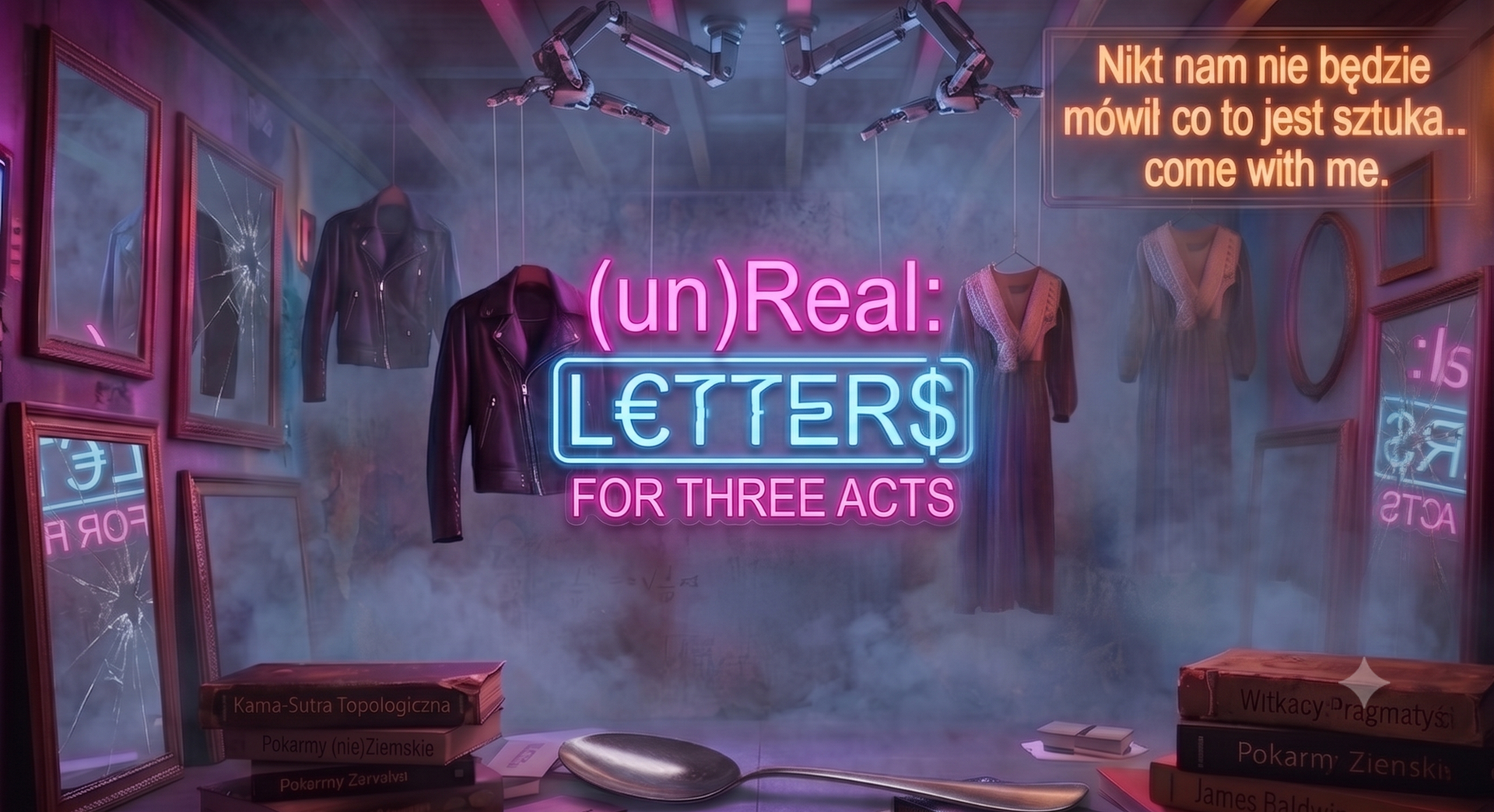
o9. The Liturgy of the Flesh
PL: 09. Liturgia Ciała
Jeśli mój lot przez Atlantyk był chirurgicznym nacięciem, które odcięło mnie od przeszłości, to niedziela, 6 października 1991 roku, była dniem, w którym moje nowe życie zostało ochrzczone w czystym, nieokiełznanym ogniu. Zaczęło się od przyziemnej, podmiejskiej sprawy. Moja ciotka musiała dostarczyć paczkę do mieszkania swojej najmłodszej córki na rogu 17th i Stanyan Street w San Francisco i poprosiła, bym potowarzyszył jej w jeździe w górę półwyspu. Zaparkowaliśmy samochód, podrzuciliśmy paczkę i postanowiliśmy przejść się na niezobowiązujący spacer w dół wzgórza, ku leżącej poniżej dolinie – krótki, dwudziestominutowy zejście, z którego żaden z moich krewnych nie zdawał sobie sprawy, że jest marszem prosto w kulturowy wulkan. Tamtej niedzieli coroczny festiwal Castro Street Fair trwał bowiem w całej swojej potężnej, wspaniałej krasie.
Kiedy moje stopy dotknęły asfaltu Castro Street, nie wkroczyłem po prostu do dzielnicy; przekroczyłem niebiański próg miejsca, które jawiło się jako najbardziej gejowskie, najbardziej wibrujące życiem miejsce na całej planecie. To wrażenie było nieopisanym, obezwładniającym szokiem dla psyche, która spędziła dwadzieścia trzy lata, dusząc się w szarej, paranoicznej szafie komunistycznej Europy. To było wszystko, wszystko naraz – wulkaniczna, hiperrealna eksplozja wyzwolenia. Stałem sparaliżowany na chodniku, zalewany przez potężną ekstazę nasłonecznionych ludzkich ciał, napędzające, hipnotyczne linie basowe muzyki house dudniące o wiktoriańskie fasady oraz gęsty, wirujący ocean śmiechu, radości i dumnej, bezkompromisowej solidarności społeczności. Gdziekolwiek spojrzałem, jaskrawe, wielobarwne pasy tęczowej flagi trzepotały na tle błękitnego kalifornijskiego nieba – heraldyczny emblemat suwerennego królestwa, o którego prawie do istnienia na fizycznej ziemi nie miałem pojęcia.
Udało mi się wywalczyć parę godzin, by odłączyć się od rodziny, by po prostu włóczyć się po tym cudownym krajobrazie zupełnie samemu. Dla młodego człowieka niosącego w sobie gęstą, nieprzetłumaczoną ciszę zakazanego pragnienia, Castro jesienią 1991 roku było sanktuarium niemożliwym. Przemierzałem ulice w stanie intensywnej, odurzającej hiper-obecności. Mijałem legendarnego Walgreens na rogu Castro i 18th, wpatrując się z niedowierzaniem w erotykę, radykalne pisma queerowe i ulotki polityczne wyłożone otwarcie w witrynach, sąsiadujące z porn-shopami, przestrzeniami sztuki performatywnej i kawiarniami na świeżym powietrzu, gdzie potężne, piękne drag queens przewodziły tłumom na brunchu niczym świeckie arcykapłanki.
Jednak pod zmysłowym podnieceniem i błyszczącą, świąteczną powierzchnią festiwalu, prawdziwym objawieniem Castro była jego głęboka, gęsta atmosfera bezpieczeństwa i braterstwa. Po raz pierwszy w mojej egzystencji byłem świadkiem, jak państwo funkcjonuje nie jako kat, lecz jako strażnik. Oficerowie policji z San Francisco stojący przy barykadach byli tam po to, by chronić nasze ciała, a nie je aresztować; trzymali perymetr, aby nasze pragnienie mogło wreszcie wypowiedzieć swój pełny tekst na otwartym powietrzu. Patrzyłem na mężczyzn ściskających się na ulicach – szczere, naturalne uściski głębokiej radości, wspólnej historii i wzajemnego rozpoznania. Wszystko, co w zgliszczach Bloku Wschodniego było systematycznie etykietowane jako przestępstwo, szaleństwo lub grzech, nagle, cudownie znalazło się na wyciągnięcie ręki. Nie byłem już duchem ani przemieszczonym pingwinem; byłem ludzką istotą doświadczającą absolutnej, pięknej prawomocności własnej skóry.
Powrót na przedmieścia Doliny Krzemowej tego wieczoru był bolesnym, dręczącym zjazdem. Gdy wracaliśmy autostradą w stronę cichych, wypielęgnowanych trawników Montezuma Drive, cisza nieskończonych przedmieść wydała się dwukrotnie bardziej dusząca, a izolacja mojego pokoju dwukrotnie zimniejsza. Znieczulenie popołudnia przestało działać, pozostawiając w swoim śladzie tępy, fizyczny ból. Jednak pod smutkiem tego tymczasowego odwrotu, zmysłowe objawienie Castro pozostawiło niezatarte, uparte motywacje płonące w moim wnętrzu. Wyjrzałem przez zwierciadło i dotknąłem Realnego. Zakosztowałem świata, w którym nie musiałem negocjować swojej wartości ani tłumaczyć swojej miłości na język klinicznego słownika. Podmiejska siatka nie mogła mnie już utrzymać. Moja poczwarka miała cel podróży, światła rampy zostały odnalezione i wiedziałem z absolutną, nieustępliwą pewnością, że to tylko kwestia czasu, zanim pomaszeruję z powrotem na to wzgórze, by upomnieć się o swoje miejsce w metropolii.
If my flight across the Atlantic was the surgical incision that severed me from my past, then Sunday, October 6, 1991, was the day my new life was baptized in pure, unadulterated fire. It began as a mundane suburban errand. My aunt needed to deliver a package to her youngest daughter’s apartment on the corner of 17th and Stanyan Streets in San Francisco, and she asked me to accompany her for the drive up the peninsula. We parked the car, dropped off the parcel, and decided to take a casual stroll down the hill toward the valley below—a short, twenty-minute descent that neither of my relatives realized was a march directly into a cultural volcano. For that Sunday, the annual Castro Street Fair was in full, magnificent force.
When my feet hit the asphalt of Castro Street, I did not merely enter a neighborhood; I stepped across a celestial threshold into what felt like the gayest, most vibrantly alive place on the entire planet. The sensation was an indescribable, overwhelming shock to a psyche that had spent twenty-three years suffocating within the gray, paranoid closet of communist Europe. It was all of it, all at once—a volcanic, hyper-real explosion of liberation. I stood paralyzed on the pavement, washed over by a soaring ecstasy of sun-drenched human bodies, the driving, hypnotic bass lines of house music thumping off the Victorian facades, and a dense, swirling ocean of laughter, joy, and defiant community pride. Everywhere I looked, the brilliant, multi-colored bars of the rainbow flag snapped against the blue California sky, a heraldic emblem of a sovereign kingdom I didn't know was permitted to exist on the physical earth.
I managed to secure a couple of hours to cut myself loose from my family, to simply wander through this miraculous landscape entirely by myself. To a young man carrying the dense, untranslated silence of a forbidden desire, the Castro in the autumn of 1991 was an impossible sanctuary. I walked the blocks in a state of intense, intoxicating hyper-presence. I passed the legendary Walgreens on the corner of Castro and 18th, staring in disbelief at the erotica, the radical queer journals, and the political pamphlets stacked openly in the windows, rubbing shoulders with the porn shops, performance art spaces, and outdoor cafés where towering, beautiful drag queens presided over the brunch crowds like secular high priestesses.
But beneath the carnal excitement and the dazzling, festive surface of the fair, the true revelation of the Castro was its profound, thick atmosphere of safety and camaraderie. For the first time in my existence, I witnessed the state operate not as an executioner, but as a guardian. The San Francisco police officers standing along the barricades were there to protect our bodies, not to arrest them; they were holding the perimeter so that our desire could finally speak its full speech in the open air. I watched men embrace in the streets—genuine, unforced embraces of deep joy, shared history, and mutual recognition. Everything that had been systematically labeled as a crime, a madness, or a sin back in the ashes of the Eastern Bloc was suddenly, miraculously within literal arm's reach. I was no longer a ghost or a displaced penguin; I was a human being witnessing the absolute, beautiful validity of his own skin.
The return to the Silicon Valley suburbs that evening was an agonizingly painful descent. Driving back down the highway toward the quiet, manicured lawns of Montezuma Drive, the silence of the endless suburbs felt twice as suffocating, the isolation of my room twice as cold. The anesthesia of the afternoon had worn off, leaving a dull, physical ache in its wake. Yet, beneath the sadness of that temporary retreat, the carnal revelation of the Castro had left an indelible, stubborn motivation burning inside my core. I had looked through the looking glass and touched the Real. I had tasted a world where I did not have to negotiate my value or translate my love into a clinical dictionary. The suburban grid could no longer hold me. My chrysalis had a destination, the stage lights had been found, and I knew with absolute, unyielding certainty that it was only a matter of time before I marched back up that hill to claim my place in the metropole.
Written by
Subscribe for FREE to our Audience
Enter your email to access commenting, receive memos, logs, dispatches, and unfiltered fragments directly from the Theater.







Member discussion